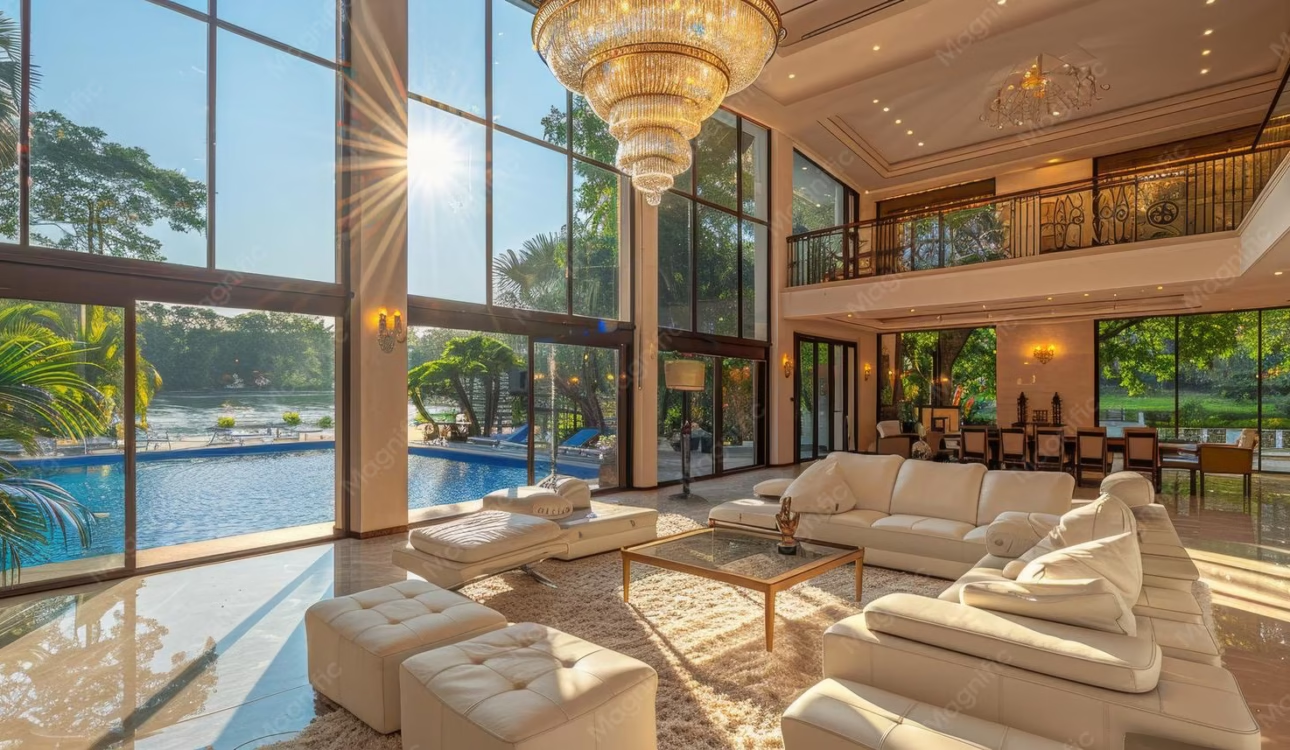
The Art of the
Living Room
How to design a space that feels as beautiful as it feels lived-in — and why the two are never at odds.

There is a version of the living room that exists only in magazines: immaculate, untouched, every cushion placed with surgical precision. And then there is the living room you actually live in — one that holds laughter, conversation, morning coffee, and quiet evenings. At Homasm Interiors, we believe the most extraordinary spaces are the ones that honour both.
Designing a living room that is genuinely beautiful does not mean sacrificing comfort or personality. It means learning to layer — light, texture, proportion, and meaning — until the room feels inevitable. Like it could not have been any other way.
Six principles we return to, every time
Whether we are working on a sweeping penthouse or a compact urban apartment, these ideas shape every living room we design.
A statement sofa, an oversized artwork, or an heirloom rug. Let one element set the tone and let everything else support it.
Ceiling lights alone flatten a room. Pair them with floor lamps, table lamps, and candlelight for warmth at every hour.
Linen beside velvet beside raw wood creates depth that a single-tone palette never can, even with a dozen different shades.
Negative space is not emptiness — it is the pause between notes that makes music feel intentional. Resist filling every corner.
Plants, cut flowers, or even a bowl of seasonal fruit. Organic elements ground a space and remind a room that it is inhabited.
More objects rarely means more personality. A curated few — each meaningful — say far more than a crowded shelf ever could.

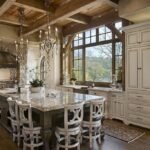
Layered lighting transforms the mood of a room from morning to night.
“The furniture you choose sets the architecture of the room. But the objects you keep are the ones that make it yours.”
On proportion and scale
One of the most common mistakes in living room design is choosing furniture that is too small for the space. A sofa that floats in the middle of a large room does not feel cosy — it feels lost. Conversely, oversized pieces in a compact space can make a room feel heavy and difficult to move through.
Start with a simple rule: the largest piece of seating should be proportional to the longest wall it faces. From there, build inward — side tables at arm height, lamps that illuminate faces rather than ceilings, artwork hung at eye level rather than gallery height. Proportion is not about following rules. It is about understanding why those rules exist, so you know exactly when to break them.

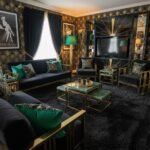
Rich textures — velvet, linen, wood — create depth that colour alone cannot achieve.
Colour: the quiet foundation
Colour has the power to expand a room, shrink it, calm it, or electrify it. In the living room, we often counsel starting with a neutral — not because neutrals are safe, but because they are generous. A warm off-white or a deep clay can hold almost any accent colour you choose to introduce later.
If you long for bolder walls, consider this: paint three walls in a quiet tone and commit one wall — ideally behind the primary seating — to something unexpected. A dusty terracotta. A deep sage. A muted navy. Done well, a single bold wall transforms a room without overwhelming it.

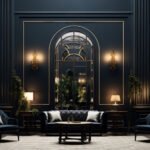
Earthy neutrals paired with one accent wall — understated elegance at its best.
Your living room questions, answered
We hear these questions from homeowners all the time. Here are the honest answers.
Ready to reimagine your living room?