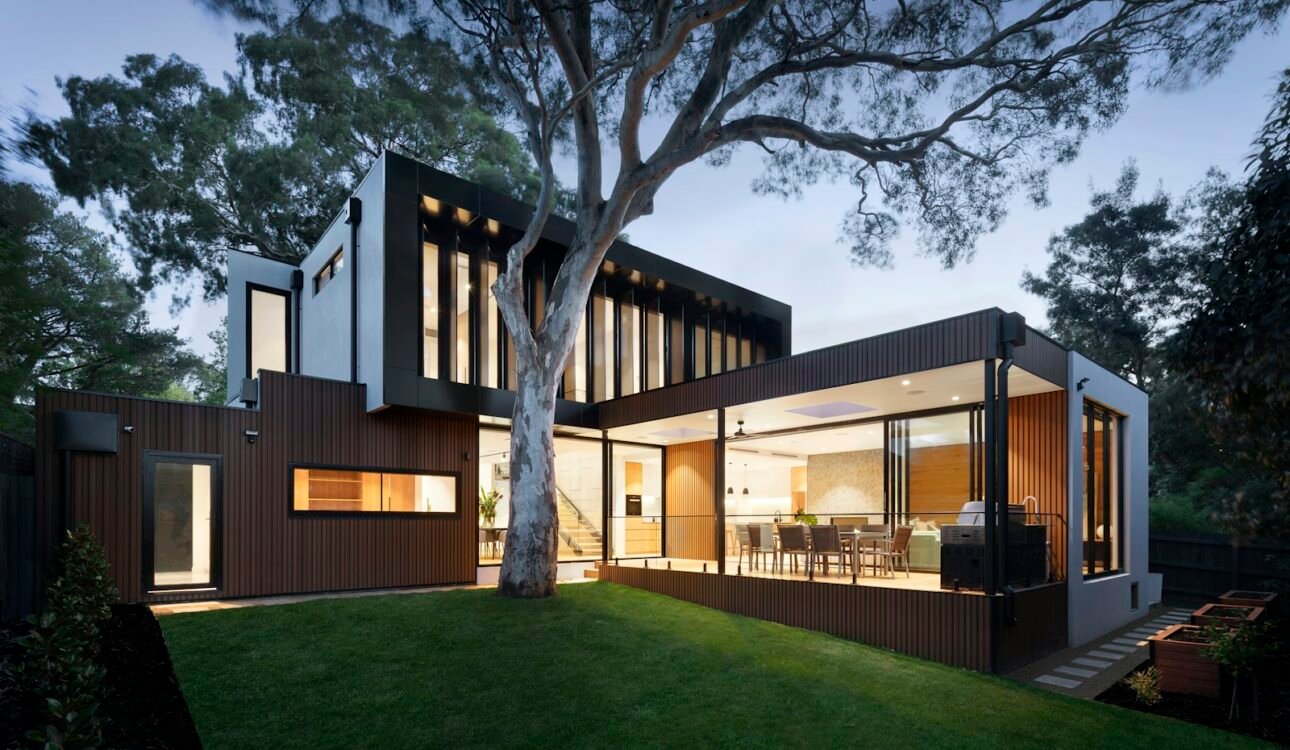
What Is Farmhouse Interior Design?
Warmth, texture, and timeless simplicity — the art of living beautifully in the everyday
Farmhouse interior design is a style rooted in authenticity — it celebrates imperfection, honours natural materials, and transforms lived-in spaces into something quietly extraordinary. It is not about recreating a rural past, but about bringing that same warmth and ease into the homes we live in today.
The Essence of Farmhouse Style
At its heart, farmhouse design is about creating spaces that feel genuinely welcoming. Think exposed wooden beams, wide-plank floors worn smooth by generations, and furniture built to last rather than impress. The aesthetic draws equally from working farms and country homesteads — spaces where beauty was incidental, born from honest materials and practical thinking.
Unlike many design movements, farmhouse style has no single birthplace. It evolved across different cultures and climates — from the white-washed cottages of rural England to the timber-framed homesteads of the American Midwest — and each tradition left its mark on what we now recognise as the modern farmhouse interior.
Natural linen, reclaimed wood, and muted tones — the farmhouse palette at its most refined
Defining Characteristics
Farmhouse interiors are defined less by a rigid set of rules and more by a guiding sensibility: everything should feel considered, comfortable, and honest. That said, several elements appear again and again across the most beautiful examples of this style.
- Natural Materials — Raw wood, stone, linen, cotton, and aged metal are the building blocks of farmhouse design. Materials that show their history are always preferred over those that conceal it.
- Muted, Earthy Colour Palettes — Whites, creams, warm greys, sage greens, and dusty blues dominate. Colour is used to calm and ground, never to excite or overwhelm.
- Layered Textures — A farmhouse room rarely has a single-note surface. Chunky-knit throws against smooth linen, rough brick beside polished wood — contrast is key.
- Functional Furniture — Pieces that earn their place through usefulness. A large kitchen table built for family meals, a generously sized sofa made for sinking into, open shelving displaying everyday essentials with quiet pride.
- Vintage & Handcrafted Accents — Antique finds, hand-thrown ceramics, woven baskets, and reclaimed timber pieces add depth and the irreplaceable quality of something made by hand.
- Abundant Natural Light — Large windows, often left bare or dressed with simple linen sheers, flood these interiors with the kind of light that changes through the day and with the seasons.
The farmhouse aesthetic is not nostalgia — it is the timeless pursuit of spaces that feel like they have always been, and always will be, enough.
— Homasm Interiors
Modern Farmhouse vs. Traditional Farmhouse
One of the most important distinctions in this space is the line between traditional and modern farmhouse design. Both share the same DNA, but they express it quite differently.
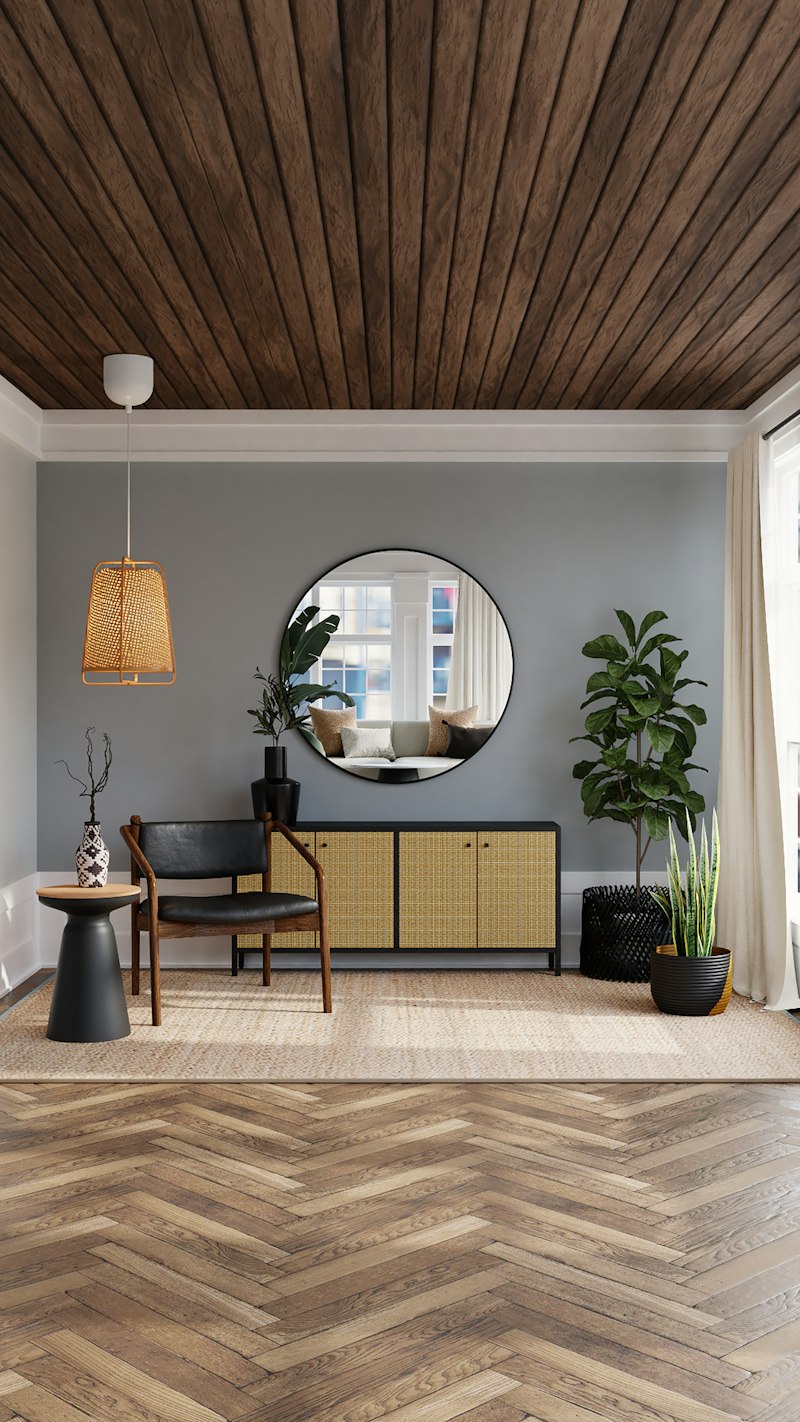
Traditional farmhouse leans into heritage — darker wood tones, plaid textiles, heavily layered décor, and a strong connection to craft traditions. It is rich, sometimes rustic, and deeply rooted in place and history.
Modern farmhouse — made widely popular by designers like Joanna Gaines — pares things back. The palette skews lighter (whites and crisp greys), lines become cleaner, and the layering is more controlled. Black metal accents replace aged bronze. Shiplap replaces rough stone. The warmth is still there, but the aesthetic is tidier and more suited to contemporary living.
Neither approach is superior. The choice depends entirely on your home, your history, and how you want to feel when you walk through the door.
Six Principles for Getting It Right
Whether you are redesigning a room from scratch or simply looking to bring more farmhouse warmth into what you have, these principles will guide you well.
Start with the Floor
Wide-plank wood floors — real, engineered, or even well-chosen LVP — instantly anchor the farmhouse aesthetic. Pair with a natural fibre rug to add warmth underfoot.
Edit Your Palette
Keep wall colours neutral and warm. Brilliant white is classic; off-white or warm grey reads more inviting. Reserve colour for textiles and botanicals.
Mix Old and New
The most interesting farmhouse interiors are never entirely vintage or entirely modern. Anchor the room with a heritage piece, then build around it with contemporary comfort.
Invest in Texture
Linen cushions, woven throws, ceramic vessels, and raw timber shelving — these textural layers are what give a farmhouse room its sense of depth and life.
Embrace Imperfection
Knots in the wood, slight variations in handmade ceramics, the gentle patina of aged metal — these are not flaws to be hidden but details that make a space feel real.
Let in the Light
Where possible, dress windows simply. Heavy curtains fight against the airy, connected-to-nature quality that makes farmhouse interiors feel so restorative.
The Farmhouse Kitchen: A Room Apart
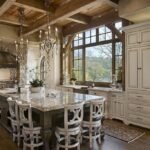
If any room defines farmhouse design, it is the kitchen. This is the room that farmhouse style was, in many ways, built around — a central, communal space where life happens, meals are made, and the family gathers. In a farmhouse kitchen, the aesthetic and the practical are inseparable.
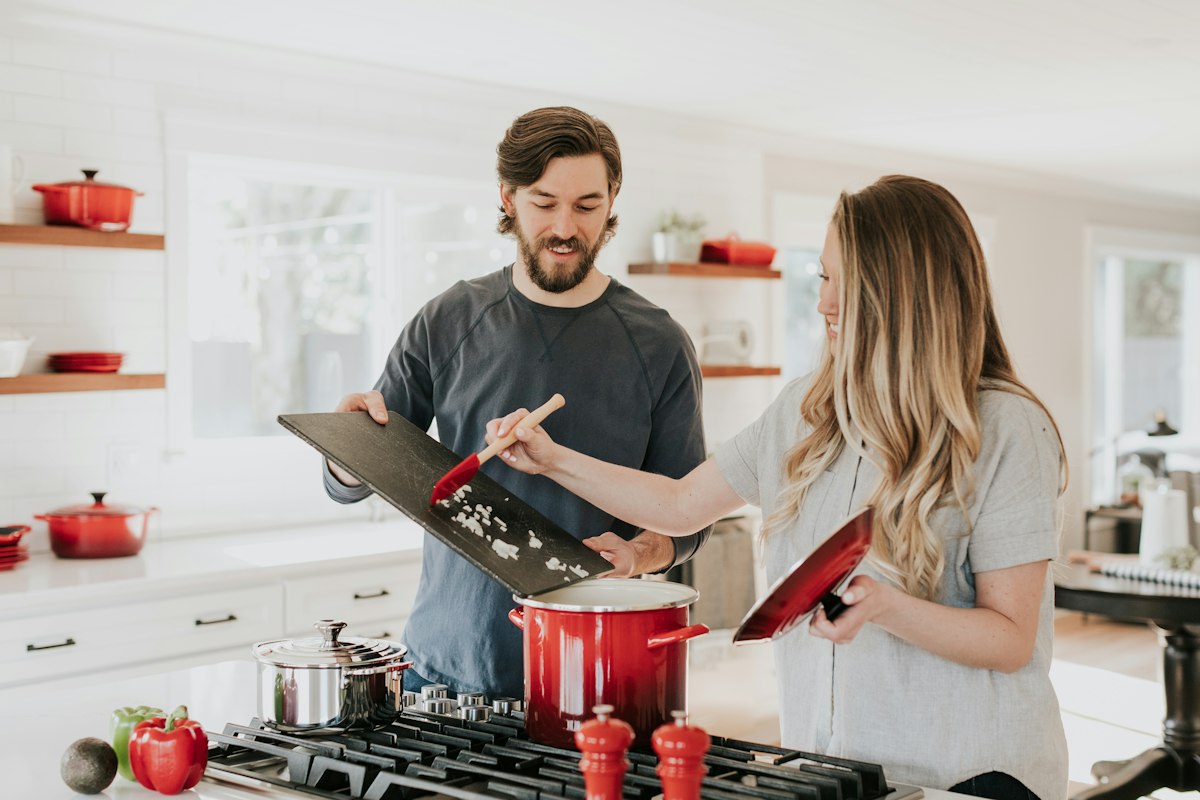
Open shelving, apron-front sinks, and natural wood surfaces — the farmhouse kitchen at its finest
Key elements of the farmhouse kitchen include the apron-front (or butler’s) sink, shaker-style cabinetry, open shelving displaying everyday ceramics and glassware, butcher block or marble countertops, and pendants in aged brass or matte black. Every element is chosen to serve both function and atmosphere.
The colour palette here tends to stay light — whites and creams, occasionally sage or dusty blue — to preserve that sense of openness and cleanliness that good kitchens demand.
A farmhouse kitchen is not designed to look beautiful in photographs. It is designed to look beautiful every morning, when the coffee is on and the light comes in sideways through the window.
— Homasm Interiors
Bringing Farmhouse Into Any Home
One of the most liberating things about farmhouse design is its adaptability. You do not need to live in a converted barn or a century-old cottage to make it work. These principles translate beautifully into apartments, terraced houses, and modern new-builds — any space that welcomes a little more warmth, texture, and intention.
Begin with the details: swap out a light fitting for something in aged brass, layer a linen throw over your sofa, add a few hand-thrown pieces to open shelving. Farmhouse design does not demand a complete renovation — it asks, instead, for a particular quality of attention.
Gradually, as more choices align with this sensibility, a space begins to feel genuinely cohesive — less curated, more collected; less perfect, more real. And that, ultimately, is what farmhouse style is about: the beauty of a life genuinely lived.
Frequently Asked Questions