Introduction
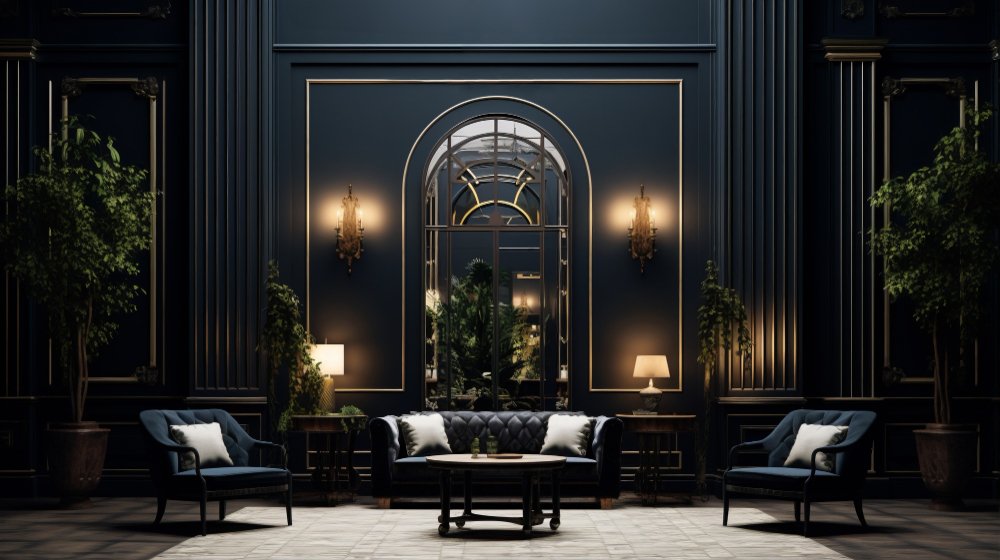
Interior design is much more than decorating a room with beautiful furniture and accessories. It is the art and science of enhancing the interior of a space to create a more functional, aesthetically pleasing, and comfortable environment for the people who use it.
Whether it’s a home, office, retail store, hotel, or restaurant, interior design plays a crucial role in shaping how a space looks, feels, and functions. Professional interior designers combine creativity, technical knowledge, and space planning expertise to transform ordinary spaces into extraordinary environments.
In this complete guide, we’ll explore what interior design is, why it matters, its key elements, popular design styles, benefits, and how professional interior designers help create beautiful and functional spaces.
What Is Interior Design?
Interior design is the process of planning, designing, and organizing interior spaces to achieve a balance between functionality, comfort, and visual appeal.
Unlike simple decoration, interior design involves:
- Space planning
- Furniture layout
- Lighting design
- Material selection
- Color coordination
- Storage solutions
- Architectural detailing
The goal is to create spaces that improve the quality of life while meeting the specific needs of occupants.
Why Is Interior Design Important?
A well-designed interior impacts more than just appearance. It influences comfort, productivity, mood, and overall well-being.
Improved Functionality
Interior design ensures that every area of a space serves its intended purpose effectively.
Better Space Utilization
Professional designers maximize available space through smart planning and layout optimization.
Enhanced Comfort
Thoughtfully designed interiors create environments that feel welcoming and comfortable.
Increased Property Value
Quality interior design can significantly increase the value and appeal of a property.
Personal Expression
Interior design allows homeowners and businesses to express their personality, values, and brand identity.
Key Elements of Interior Design
Successful interior design relies on several fundamental elements working together harmoniously.
Space
Space is the foundation of every interior design project. Designers carefully plan how people move through and interact with a room.
Color
Colors influence emotions and perceptions. Choosing the right color palette helps create the desired atmosphere.
Lighting
Lighting affects both functionality and aesthetics.
Types of lighting include:
- Ambient Lighting
- Task Lighting
- Accent Lighting
- Decorative Lighting
Texture
Texture adds depth and visual interest to interiors through materials such as wood, fabric, glass, stone, and metal.
Furniture
Furniture should provide comfort while complementing the overall design style.
Balance
Balance ensures visual stability and harmony throughout a space.
Pattern
Patterns add character and help define the personality of a room.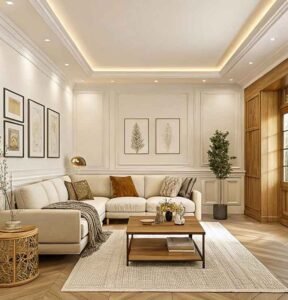
Types of Interior Design
Different spaces require different design approaches.
Residential Interior Design
Residential interior design focuses on homes, apartments, villas, and private residences.
Services may include:
- Living Room Design
- Bedroom Design
- Modular Kitchens
- Dining Areas
- Home Offices
Commercial Interior Design
Commercial interiors are designed to support business operations and customer experiences.
Examples include:
- Offices
- Retail Stores
- Restaurants
- Hotels
- Clinics
Hospitality Interior Design
Hospitality design focuses on creating memorable guest experiences in hotels, resorts, and entertainment venues.
Healthcare Interior Design
Healthcare interiors prioritize comfort, safety, and efficiency for patients and staff.
Popular Interior Design Styles
Modern Interior Design
Modern interiors feature:
- Clean lines
- Neutral colors
- Open layouts
- Minimal clutter
Contemporary Interior Design
Contemporary style reflects current design trends while maintaining timeless appeal.
Minimalist Interior Design
Minimalism emphasizes simplicity and functionality.
Key features include:
- Clutter-free spaces
- Simple furniture
- Neutral tones
Scandinavian Design
Scandinavian interiors focus on comfort, functionality, and natural materials.
Industrial Design
Industrial interiors feature:
- Exposed brick walls
- Metal elements
- Raw materials
- Open spaces
Luxury Interior Design
Luxury interiors incorporate:
- Premium materials
- Custom furniture
- Elegant finishes
- Sophisticated details
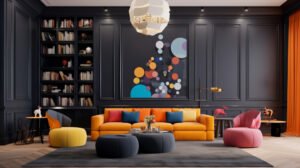
The Interior Design Process
Professional interior designers follow a structured process to achieve successful outcomes.
Step 1: Consultation
Understanding the client’s needs, lifestyle, goals, and budget.
Step 2: Space Planning
Developing layouts that maximize functionality and flow.
Step 3: Concept Development
Creating mood boards, design themes, and visual concepts.
Step 4: Material Selection
Choosing finishes, furniture, fabrics, lighting, and décor elements.
Step 5: Design Presentation
Providing drawings, 3D renderings, and design proposals.
Step 6: Execution
Managing installation, construction, furniture placement, and finishing details.
Step 7: Final Styling
Completing the project with décor, accessories, and finishing touches.
Benefits of Hiring a Professional Interior Designer
Many people wonder whether hiring an interior designer is worth the investment.
Saves Time
Designers handle planning, sourcing, and coordination.
Avoids Costly Mistakes
Professional guidance reduces errors and unnecessary expenses.
Access to Industry Resources
Interior designers have access to trusted suppliers, materials, and contractors.
Better Results
Professional expertise ensures a polished and cohesive final outcome.
Customized Solutions
Designers tailor every aspect of the project to suit the client’s needs and preferences. 
Interior Design Trends in 2026
The interior design industry continues to evolve with changing lifestyles and technologies.
Smart Home Integration
Technology-driven homes are becoming increasingly popular.
Sustainable Design
Eco-friendly materials and practices are gaining widespread adoption.
Biophilic Design
Nature-inspired interiors promote health and well-being.
Earth-Tone Color Palettes
Warm, calming colors remain a dominant trend.
Multi-Functional Spaces
Flexible rooms support modern lifestyles and remote work needs.
Common Interior Design Mistakes to Avoid
Ignoring Functionality
A beautiful space must also be practical and comfortable.
Poor Lighting
Insufficient lighting can negatively affect the appearance and usability of a room.
Choosing the Wrong Furniture Size
Furniture should be proportionate to the available space.
Lack of Storage
Storage planning is essential for maintaining an organized environment.
Following Trends Blindly
Timeless design principles often provide better long-term value than short-lived trends.
Frequently Asked Questions (FAQs)
What is the difference between interior design and interior decoration?
Interior design involves space planning, functionality, and structural considerations, while interior decoration focuses mainly on aesthetics and décor.
Do I need an interior designer for a small home?
Yes. Interior designers can maximize space efficiency and improve functionality in homes of all sizes.
How much does interior design cost?
Costs vary depending on project size, location, materials, and customization requirements.
How long does an interior design project take?
Most residential projects take between 6 and 12 weeks, depending on complexity.
What skills do interior designers have?
Interior designers combine creativity, technical knowledge, project management, and space planning expertise.
Can interior design increase property value?
Yes. Professionally designed interiors often enhance property appeal and market value.
Conclusion
Interior design is a powerful tool for transforming spaces into environments that are beautiful, functional, and meaningful. From space planning and lighting to furniture selection and color coordination, every design decision contributes to how a space looks and feels.
Whether you’re renovating your home, designing a new property, or upgrading a commercial space, professional interior design can help you achieve exceptional results that enhance both lifestyle and property value.
At Homasm Interiors, we specialize in creating customized interior solutions that blend creativity, functionality, and elegance. Our goal is to transform your vision into a space you’ll love for years to come.
Contact Homasm Interiors
Phone: +91 9701105981
Email: info@homasm.com
Website: https://homasm.com